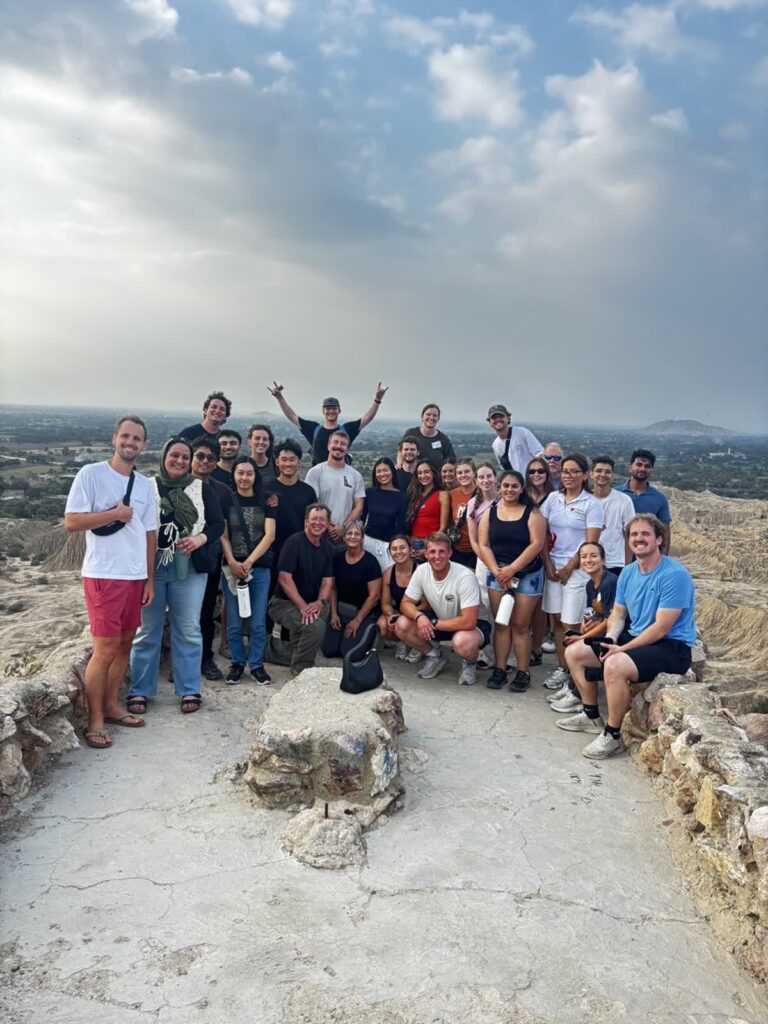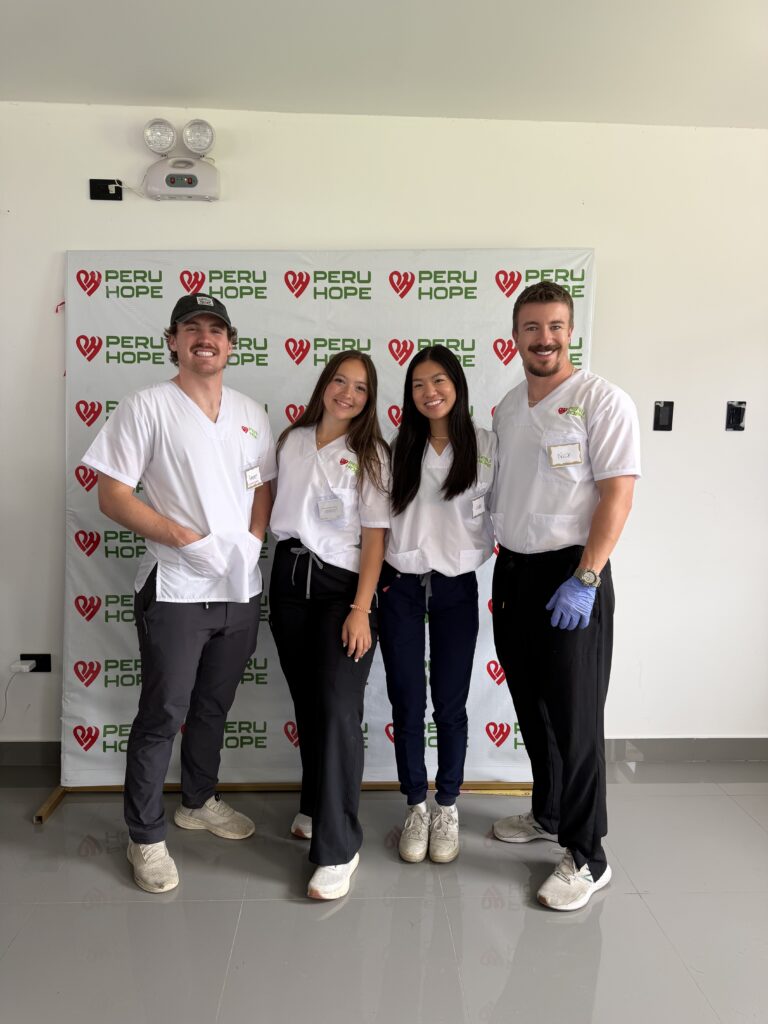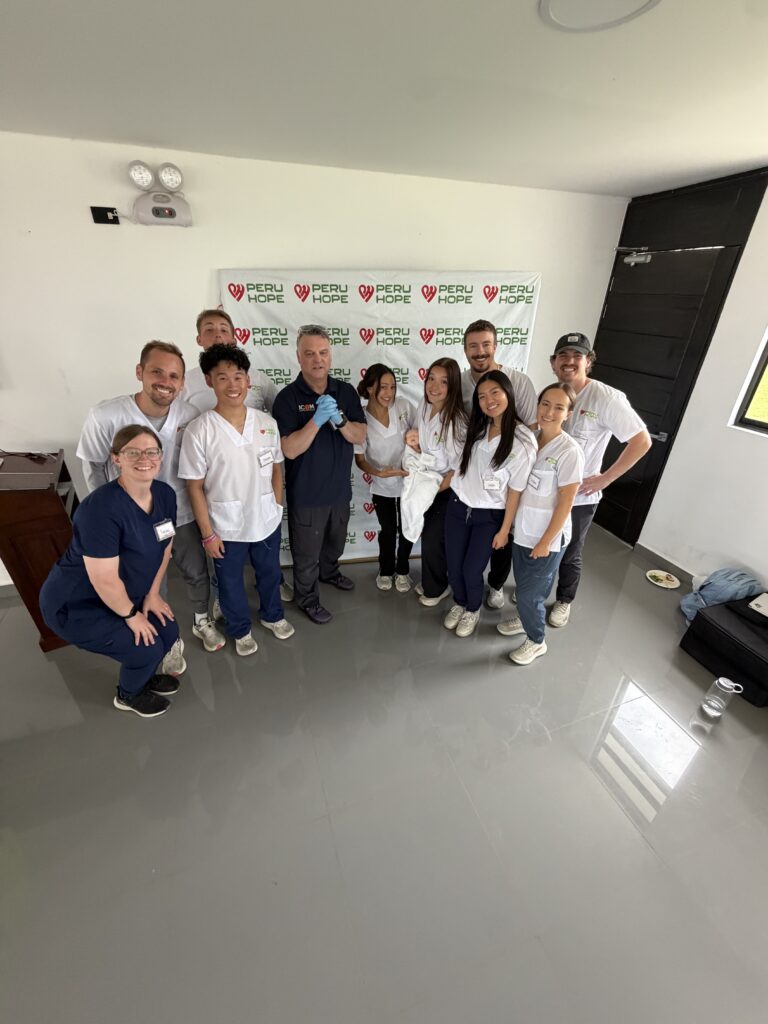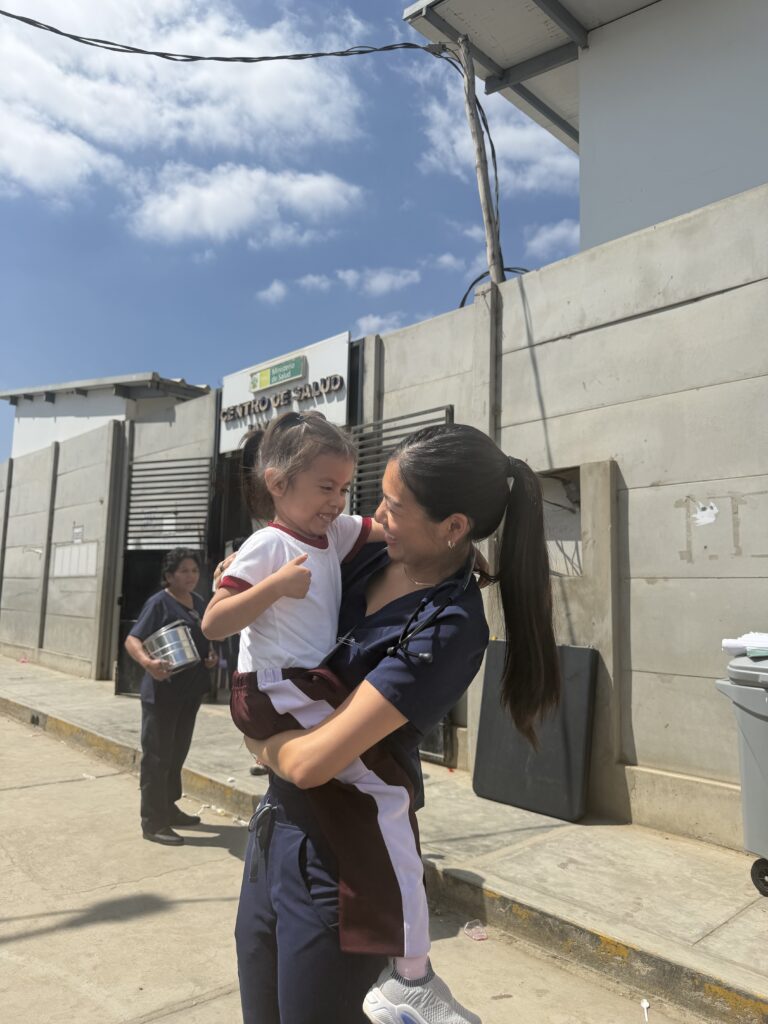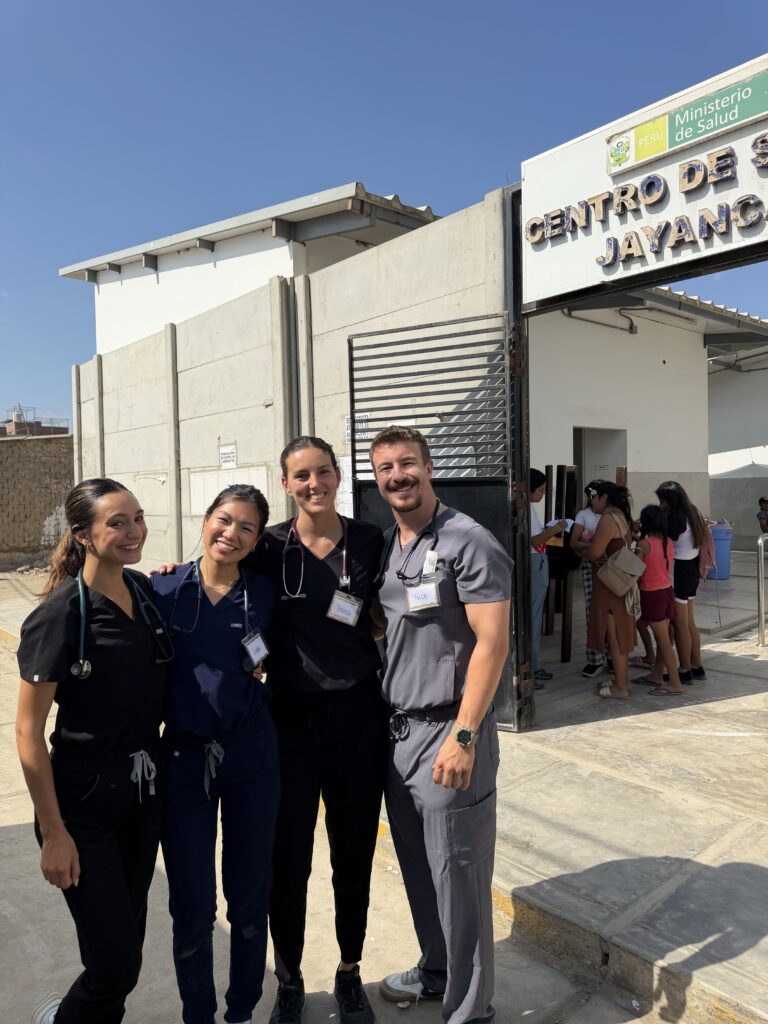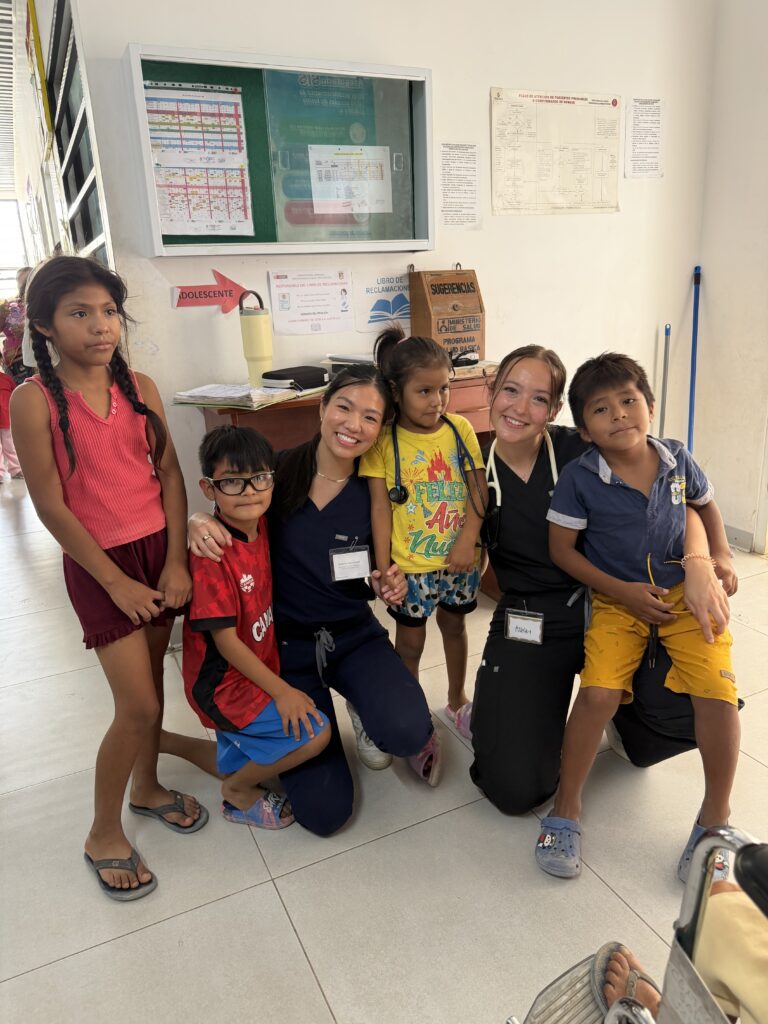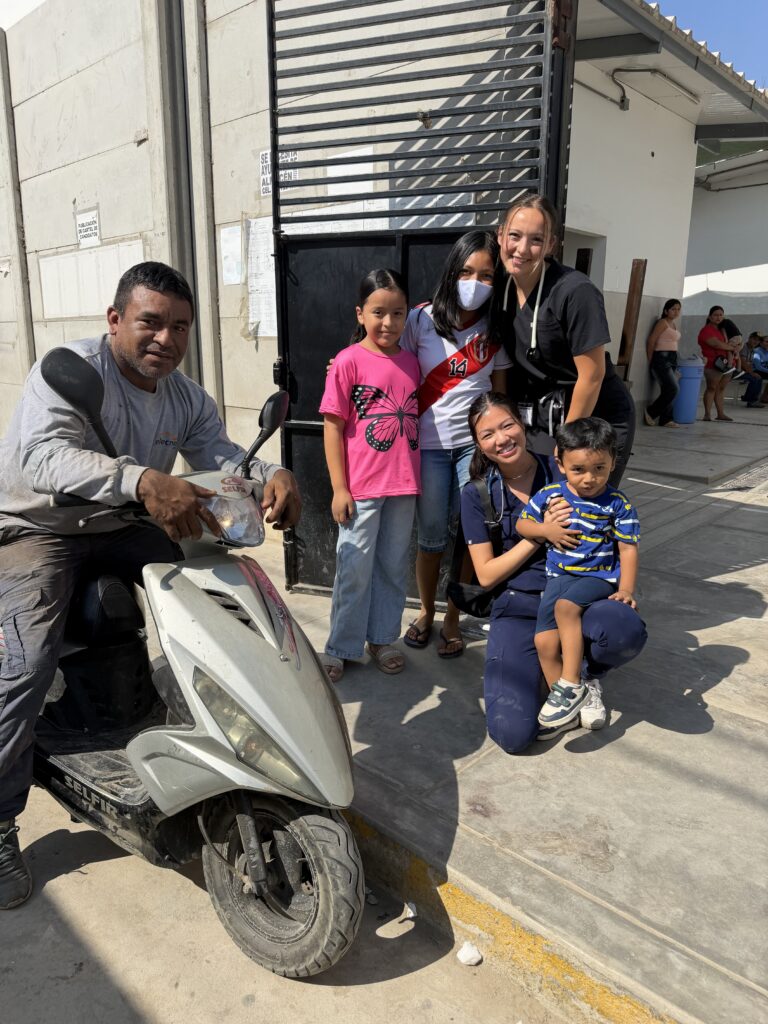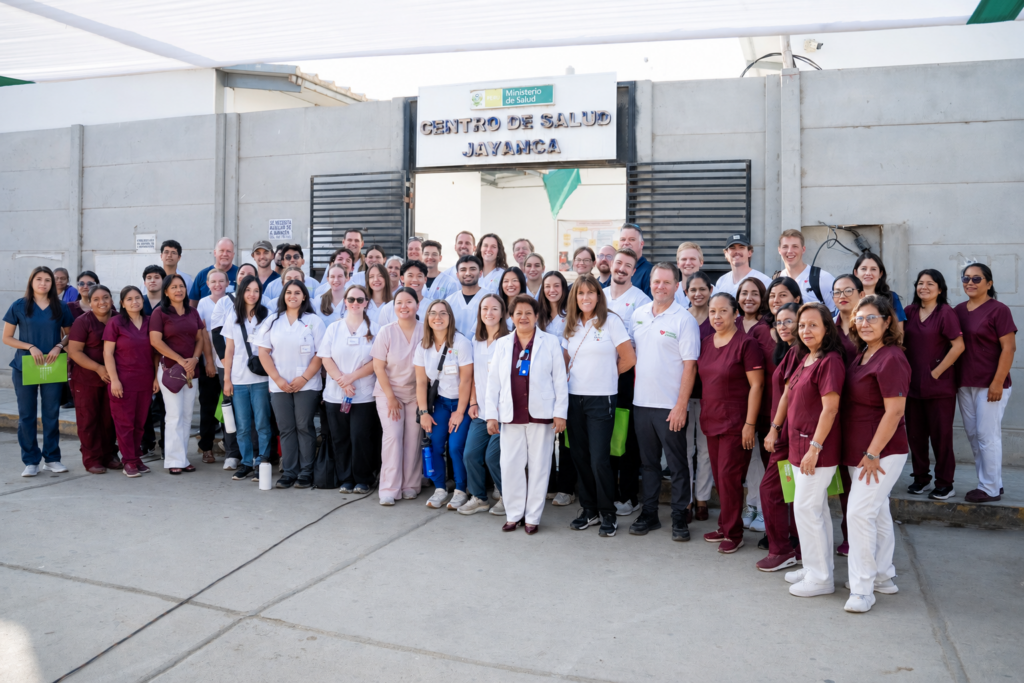
In June, 45 volunteers — including ICOM faculty, students, alumni, and family members — traveled to Jayanca, Peru for a week-long medical mission in partnership with Peru Hope, a local nonprofit organization dedicated to improving healthcare access in rural communities.
Among the volunteers was ICOM alumnus, Dr. Kavan Hess (’25), who serves as Medical Director for Peru Hope. Dr. Hess is also currently in the Urology Residency Program at Tripler Army Medical Center in Honolulu, Hawaii. The student group also included 25 ICOM students — four rising third-years, 20 rising second-years, one rising first-year — and two student physicians from Noorda College of Osteopathic Medicine. Additionally, ICOM faculty members, Amy Aldrich, DO, David Hightower, MD, and Richard Macdonald, MD also participated, teaching local medical providers and mentoring students while providing patient care throughout the week.
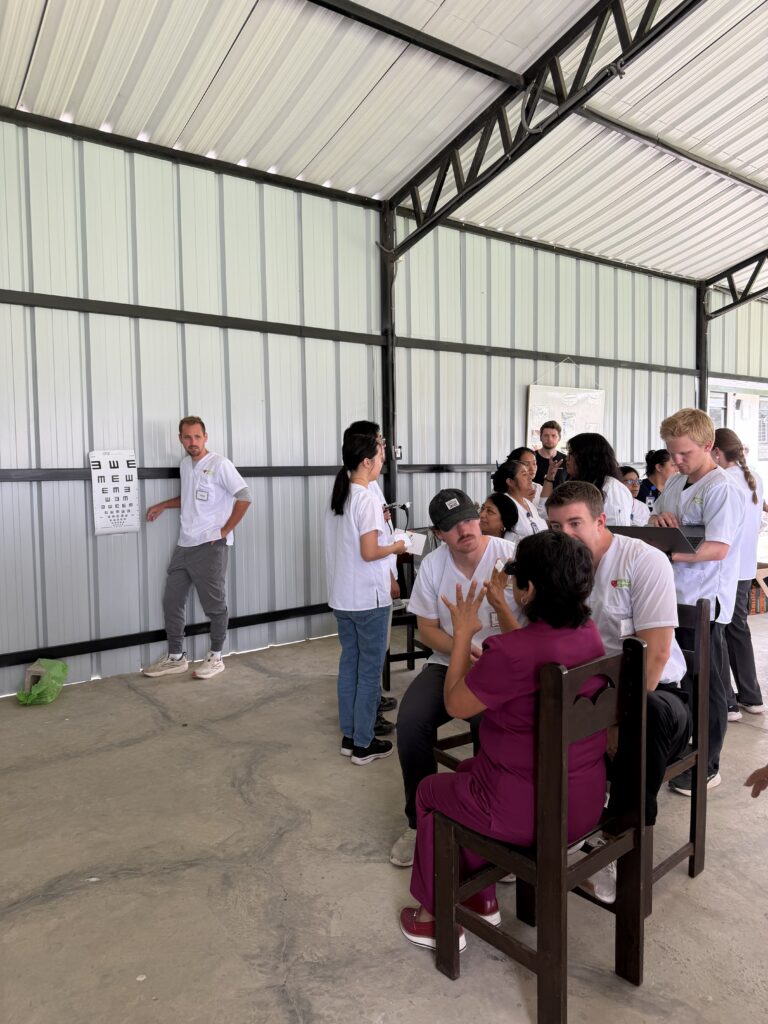
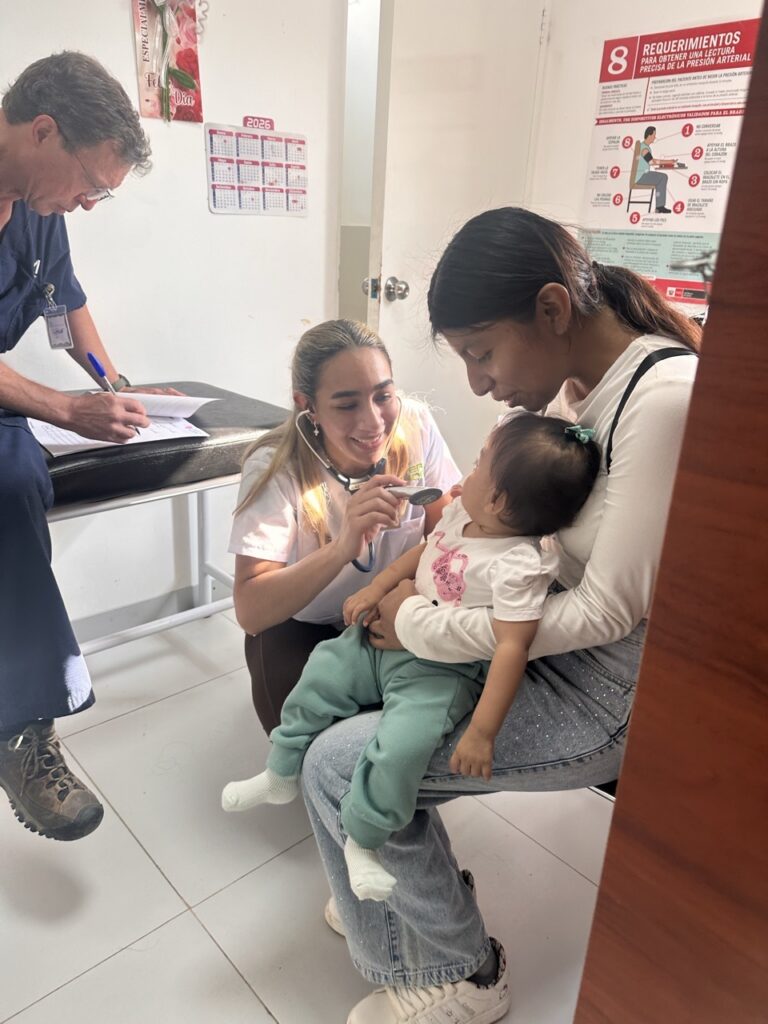
During the seven-day mission, the team cared for more than 850 patients across multiple rural communities. Volunteers also performed more than 320 vision screenings, providing prescription eyeglasses to children and adults in need. Through a partnership with the regional health department, the team helped administer more than 700 vaccines, expanding access to preventive healthcare services.
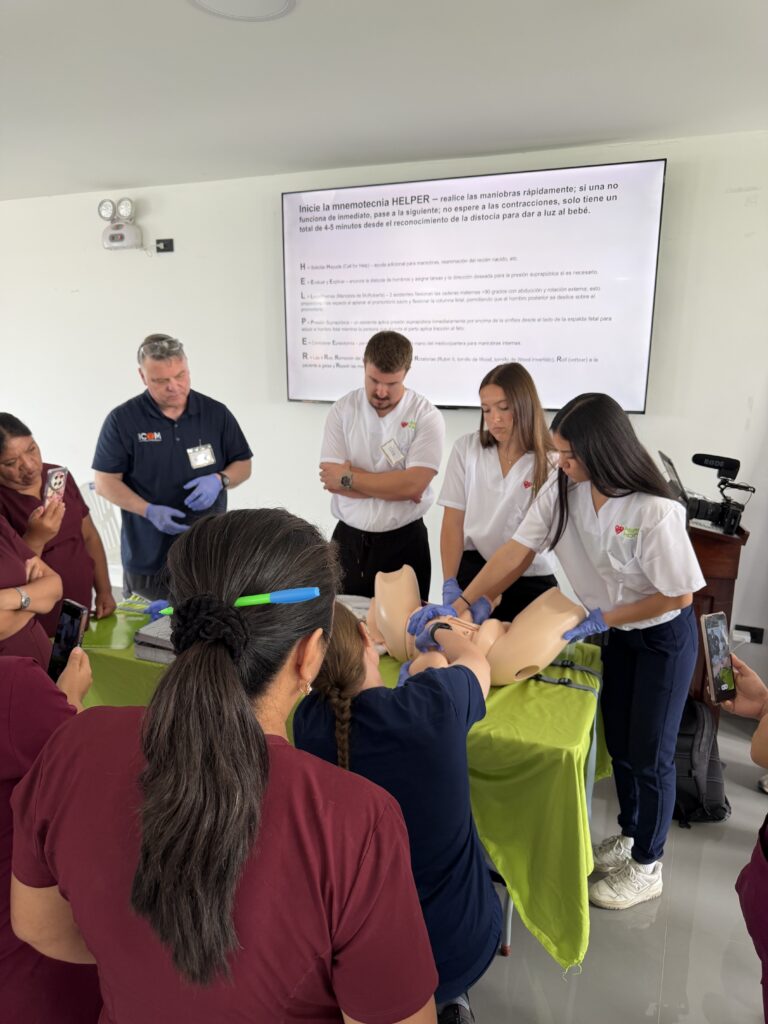
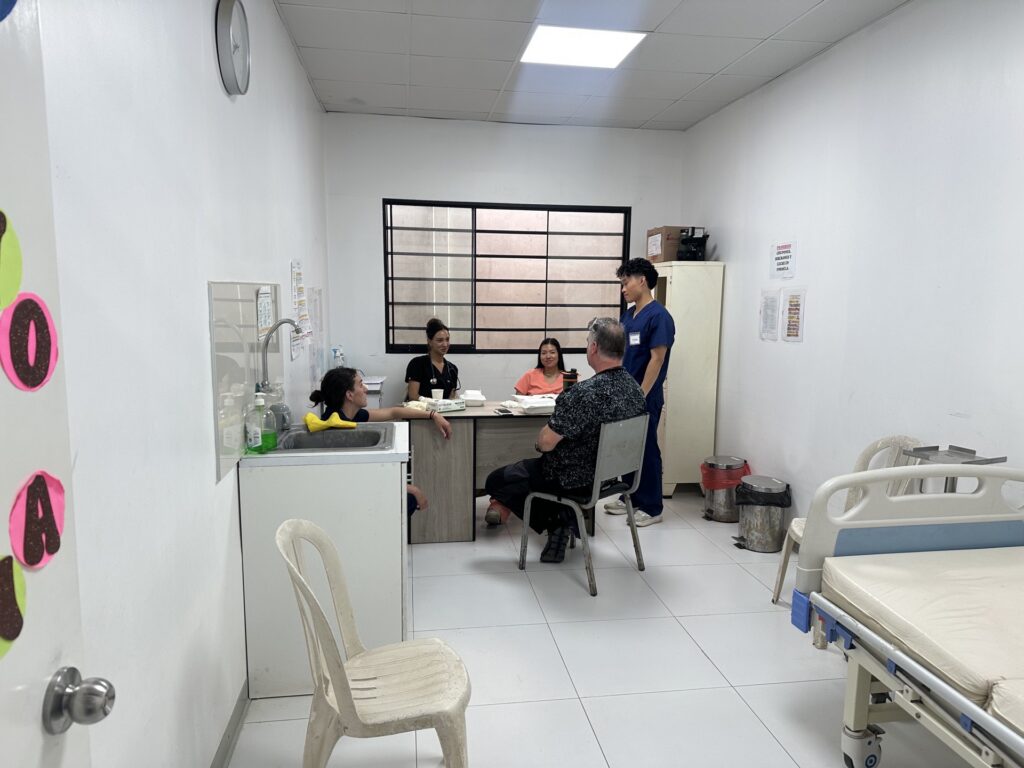
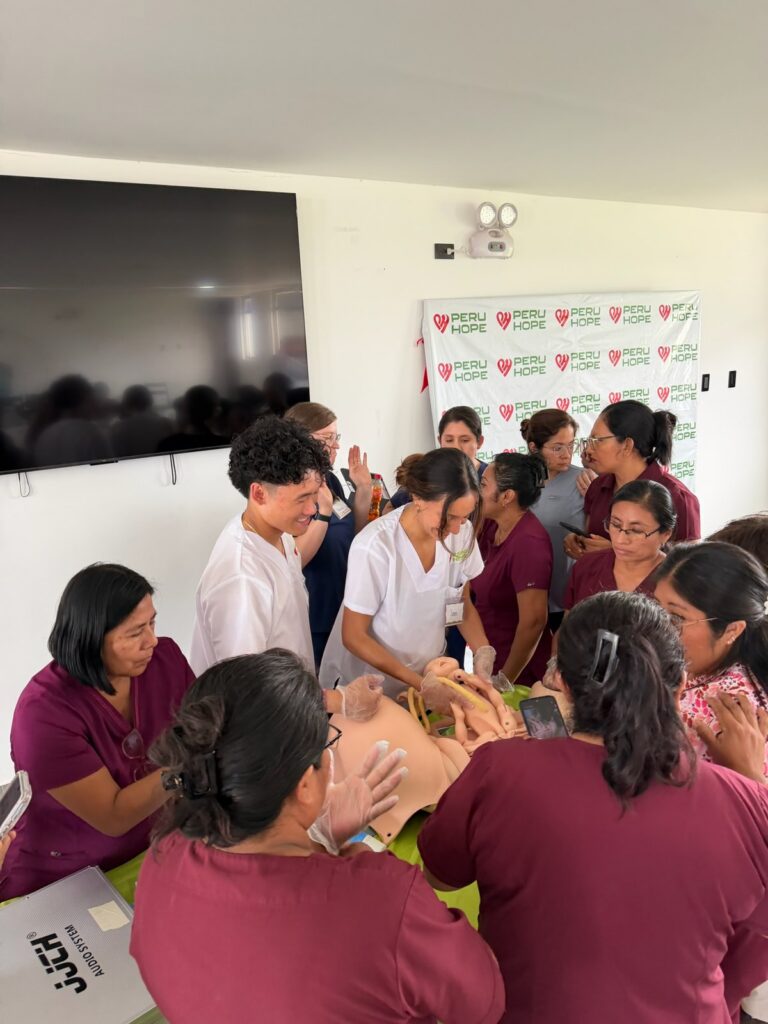
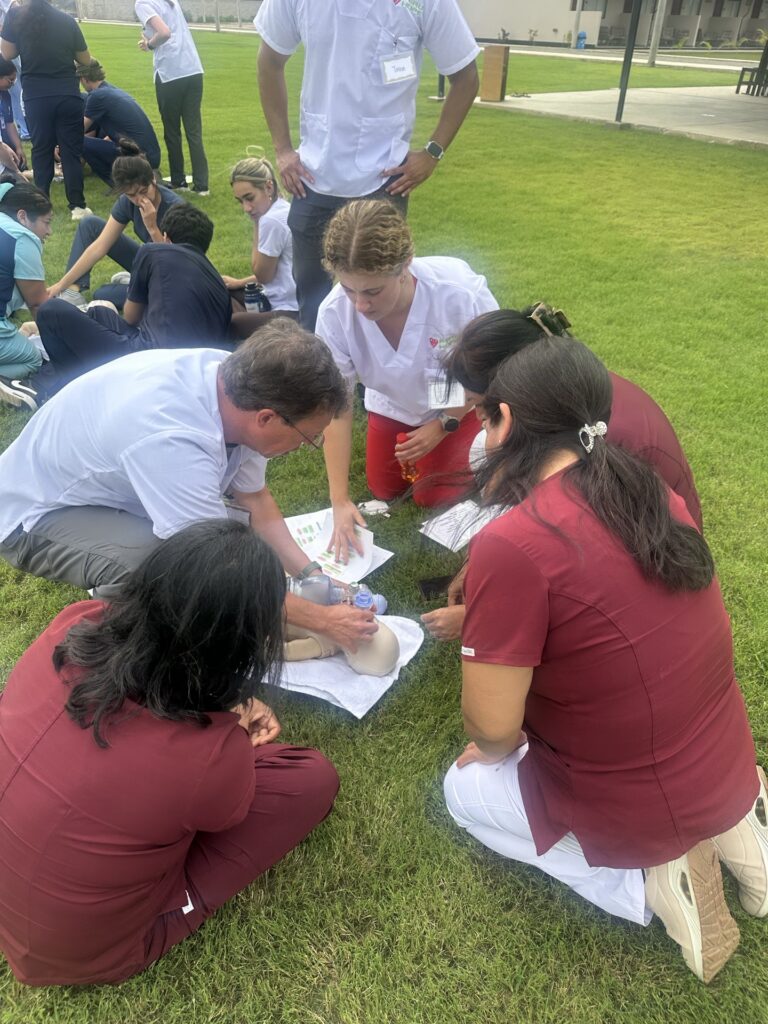
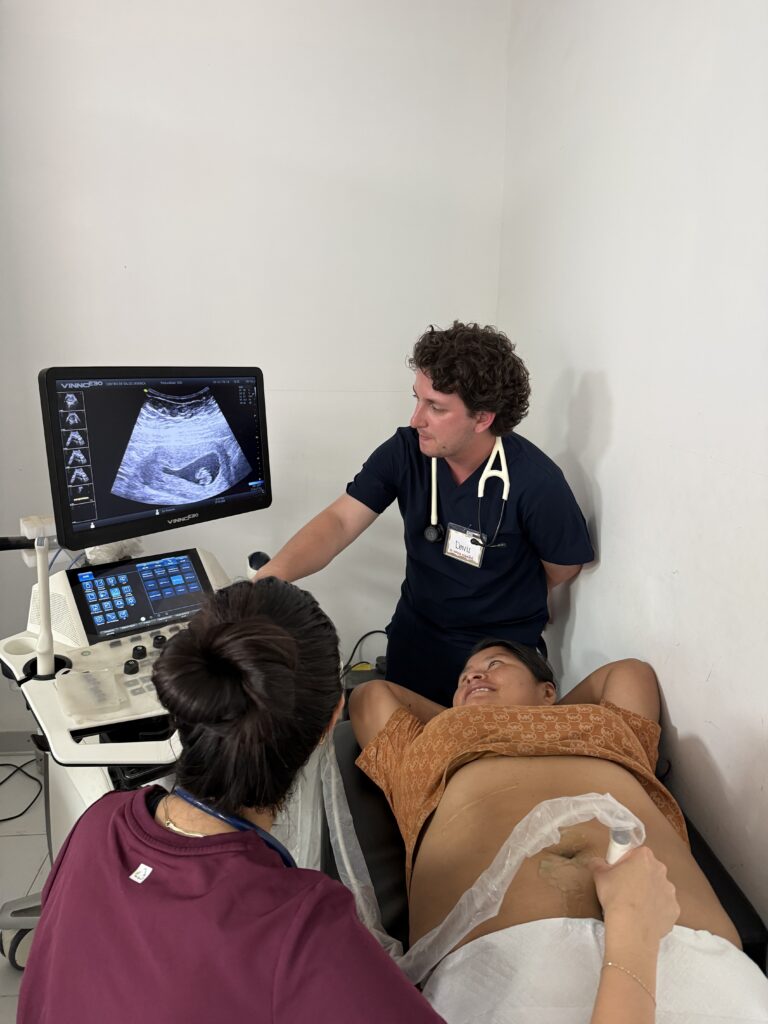
In addition to direct patient care, the mission emphasized sustainable medical education. The team of physicians and students hosted a hands-on training day for 85 local physicians, nurses, midwives, and EMS personnel, offering small-group instruction in basic obstetric ultrasound, management of obstetrical emergencies, including postpartum hemorrhage, breech birth and shoulder dystocia, Basic Life Support (BLS), and neonatal resuscitation. These collaborative sessions strengthened the skills of local healthcare providers while also giving ICOM students valuable teaching and leadership experience.
“The most impactful part of the trip for me was teaching ultrasound. The rural health post had an ultrasound machine that had sat unused for nearly five years because no one had been trained to operate it, despite being purchased to help reduce maternal and fetal mortality,” said Dr. Hess. “We taught the local midwives a simple four-step ultrasound exam to help determine whether a patient could safely deliver locally or should be referred to the regional hospital. During our first training session, one expectant mother saw her baby on ultrasound for the very first time. She was in tears, and so was I, along with all the midwives. The next day, the highlight of the trip came when I watched one of those newly trained midwives confidently perform an ultrasound on her own patient using the techniques we had taught just the day before. Seeing that knowledge immediately put into practice was incredibly rewarding.”
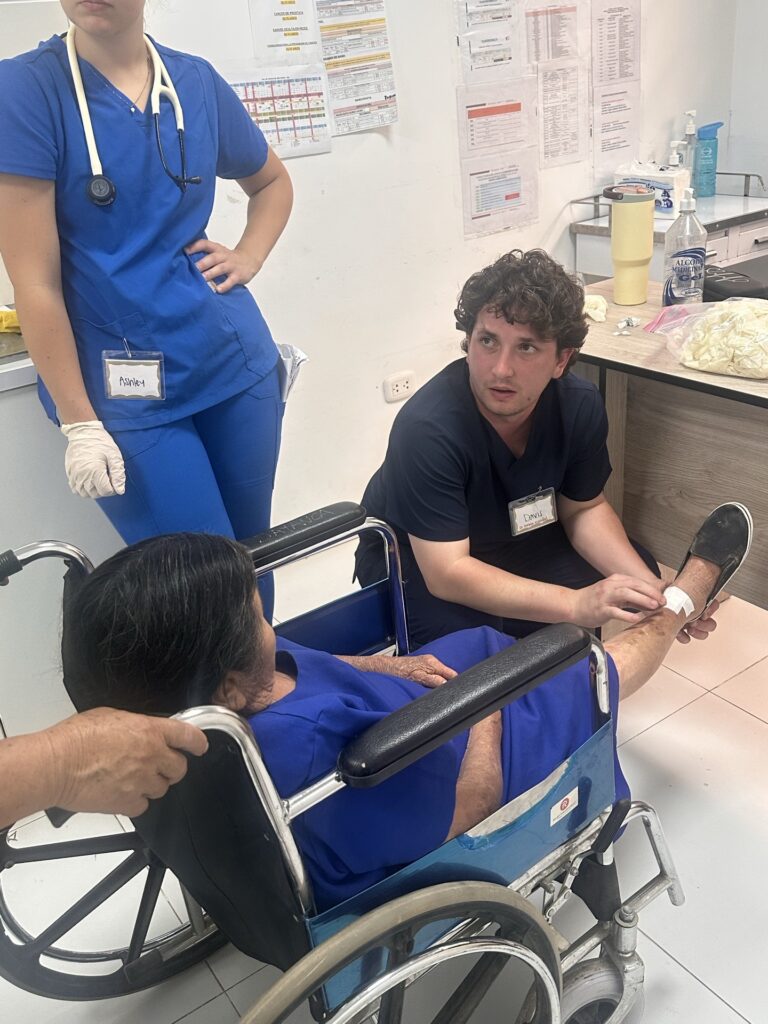
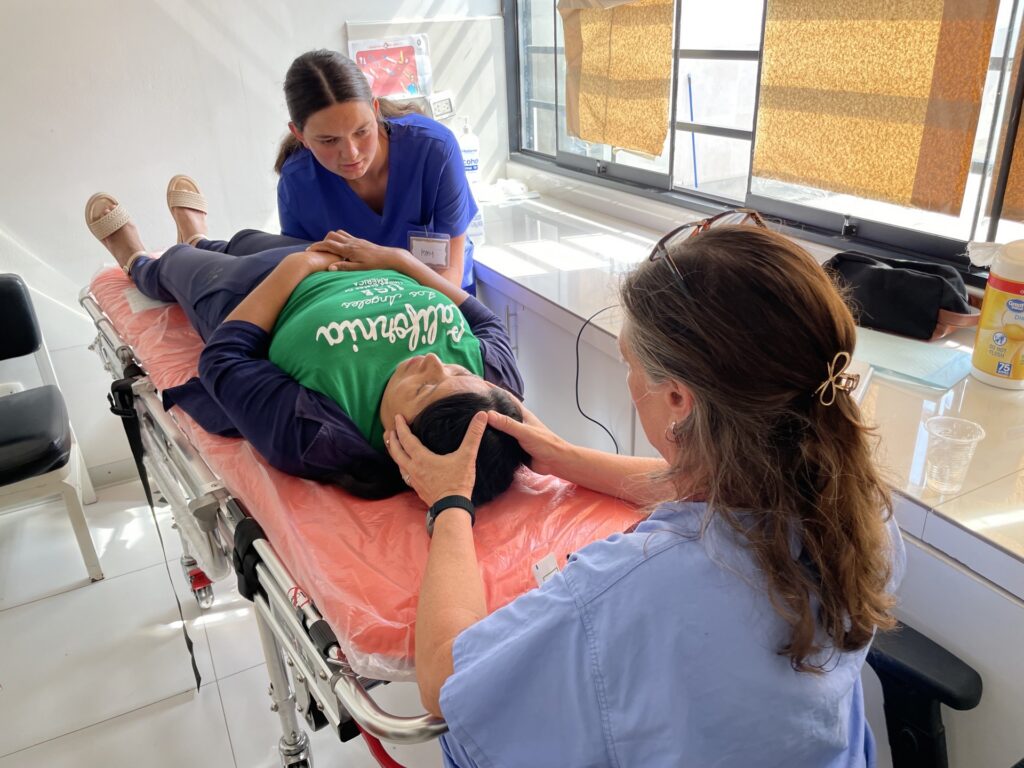
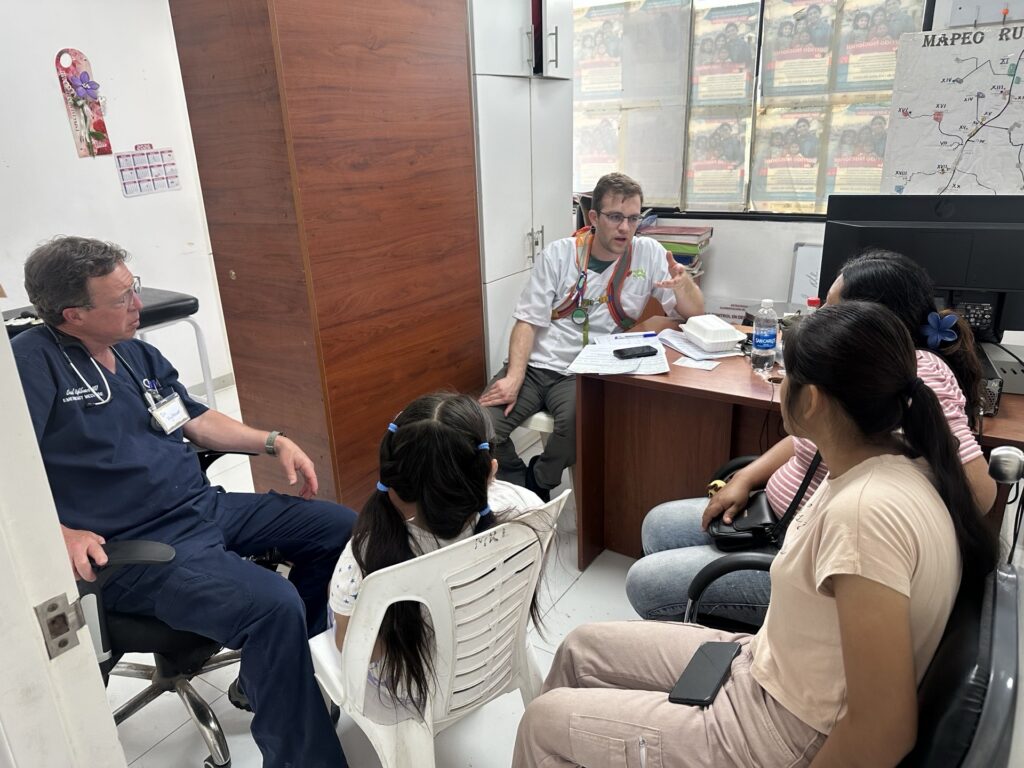
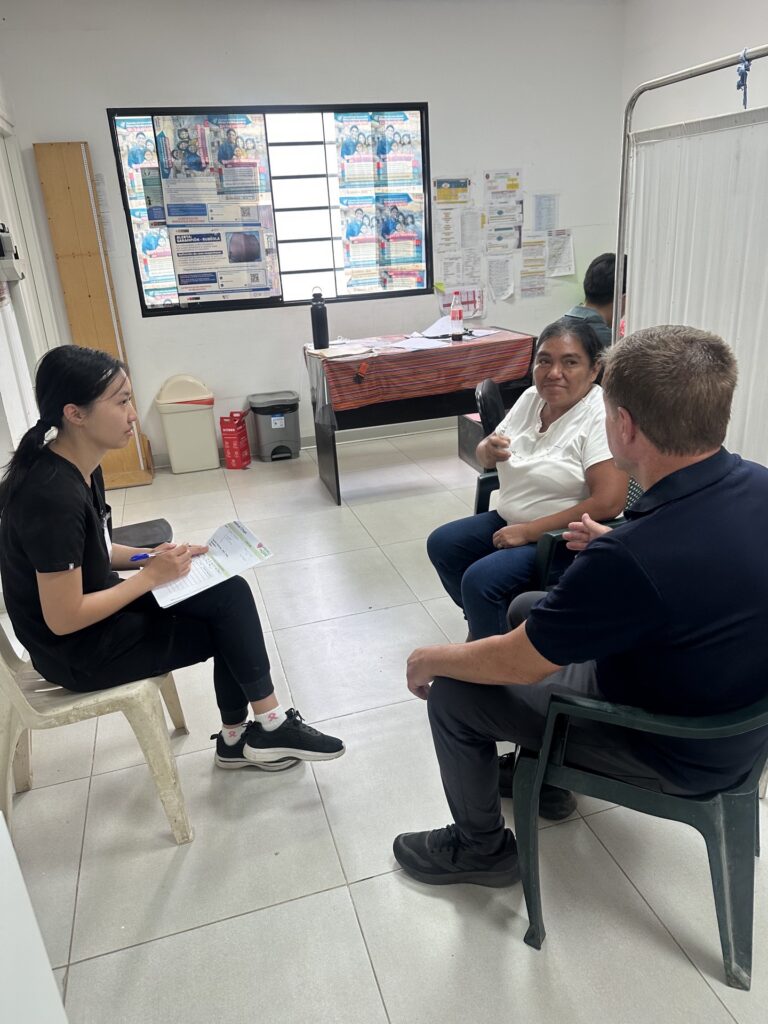
The mission also provided students with unique cultural immersion opportunities rarely encountered in a traditional classroom setting. Students were able to apply their medical Spanish skills or work with interpreters to obtain patient histories and physical exam findings. The students then presented their differential diagnosis and medical decision-making with a treatment plan to an attending physician a resource-limited setting. Under patient supervision, students also administered intramuscular injections, assisted with intra-articular injections, performed osteopathic manipulative treatment (OMT), offered compassionate care, and explained treatment plans.
For many, the experience served as a powerful reminder of the importance of service, cultural humility and the transformative impact of medicine.
If you are interested in helping on a future trip, please contact Dr. Kavan Hess or Dr. David Hightower.