The largest simulation event of the academic year occurred on campus for the second consecutive year, highlighting the importance of emergency preparedness and response.
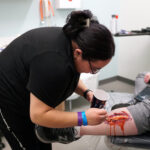
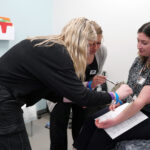
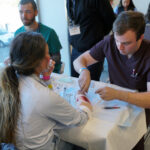
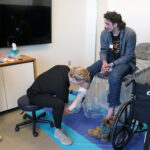
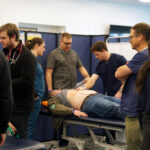
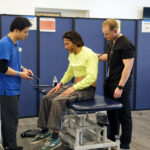
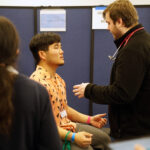
Organized by ICOM’s Emergency Medicine Club, the exercise involved approximately 70 “players” and 20 controllers/evaluators, as well as 45 simulated patients with moulage injuries and full patient profiles ranging from walking wounded to immediate treat-and-transport.
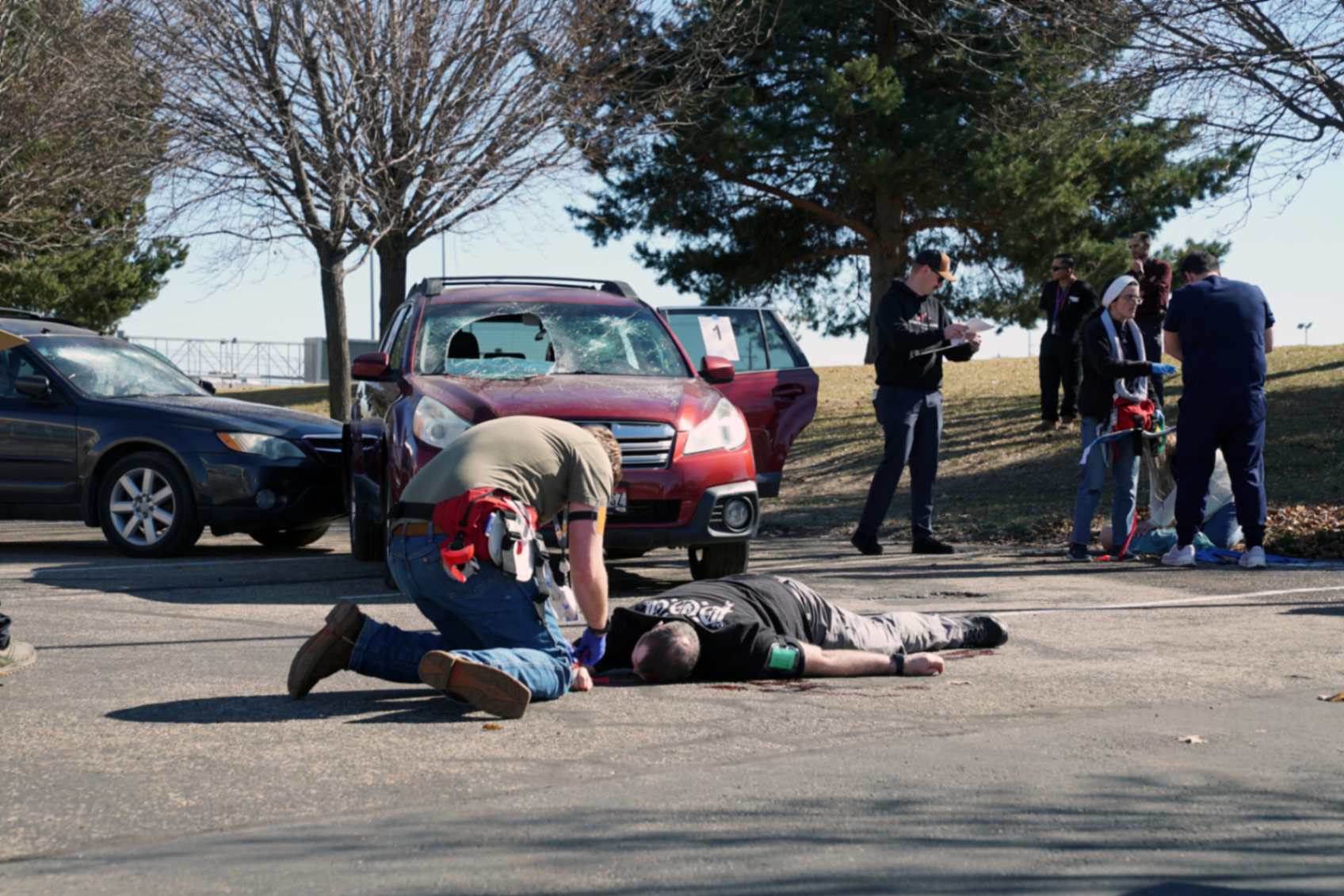
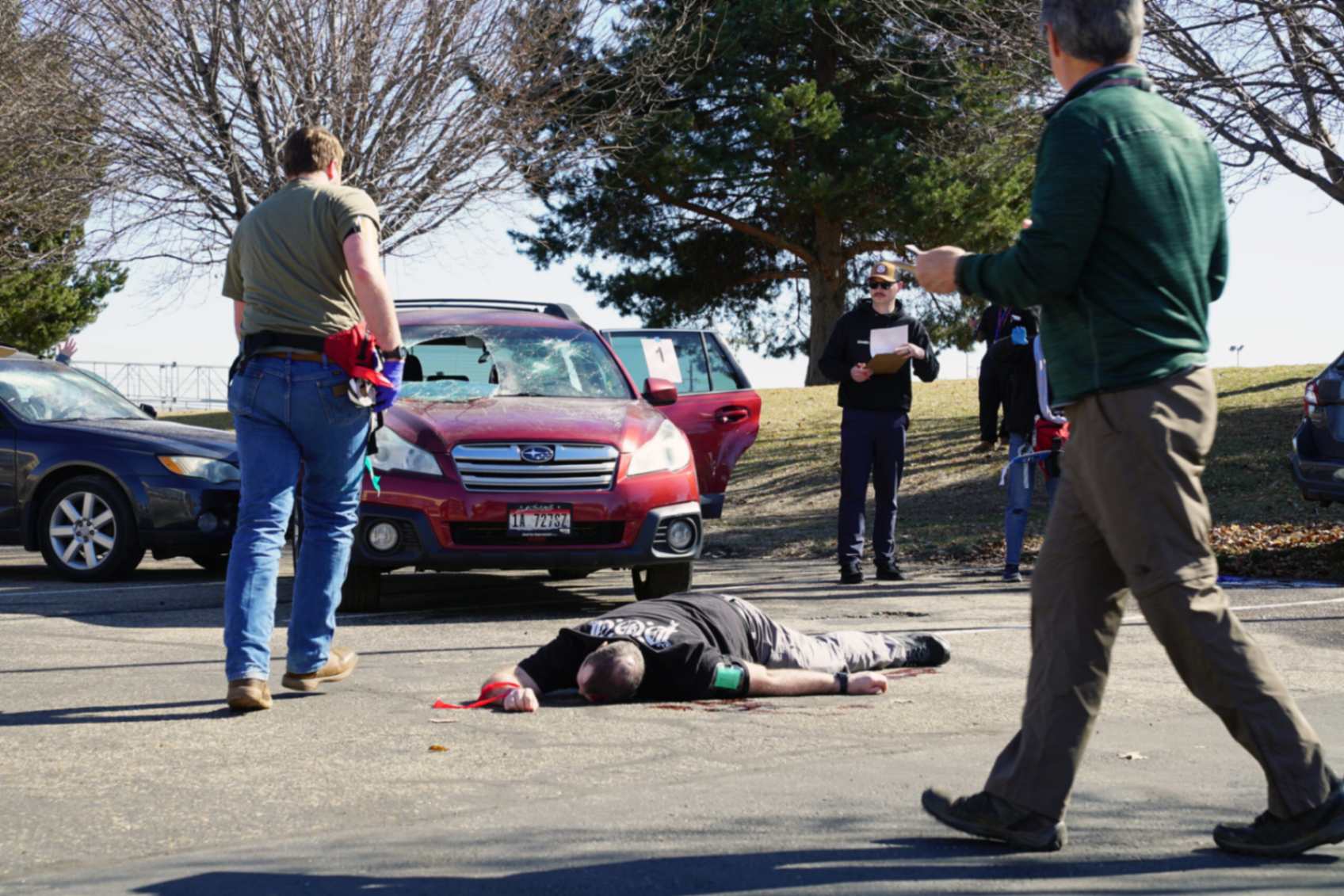
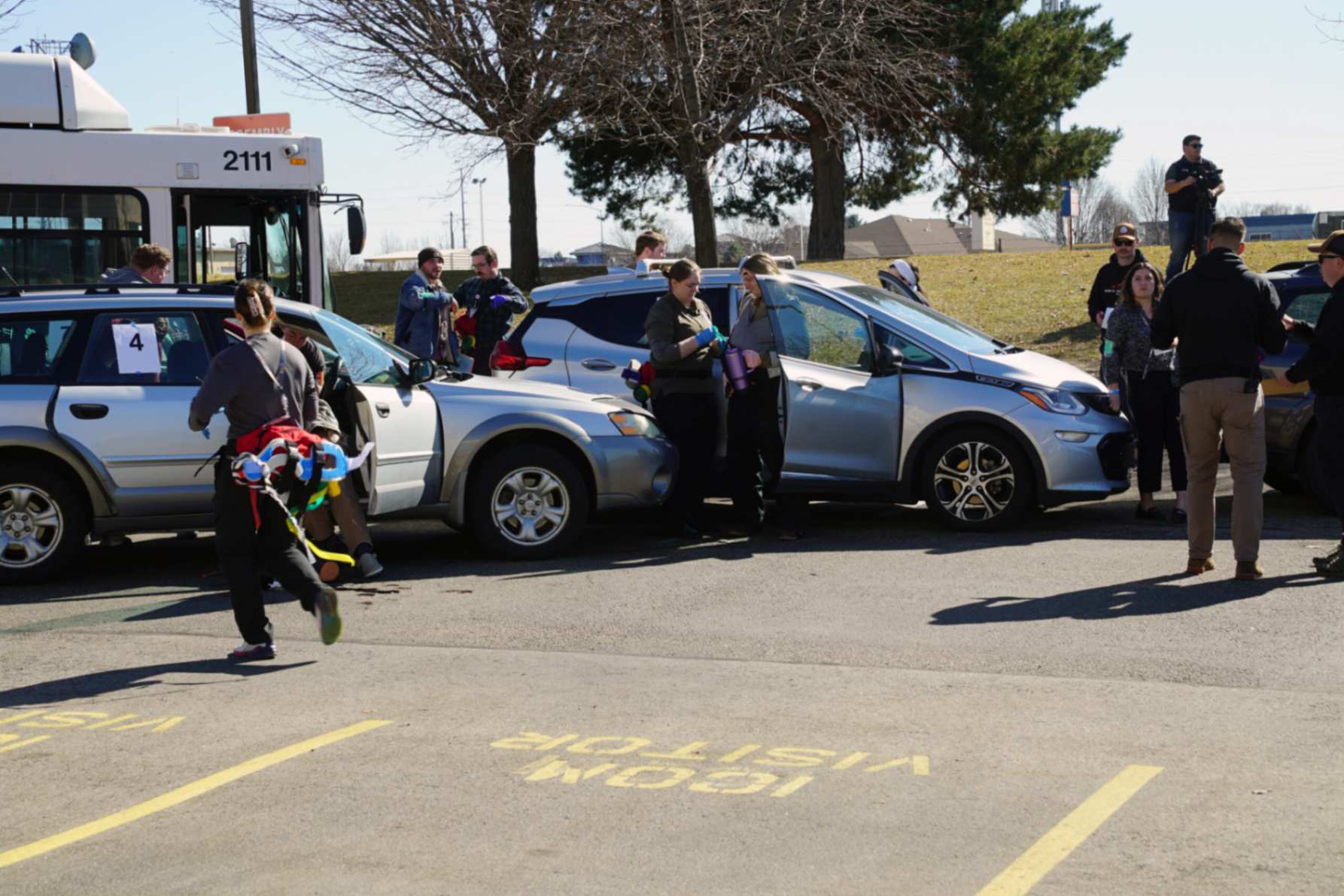
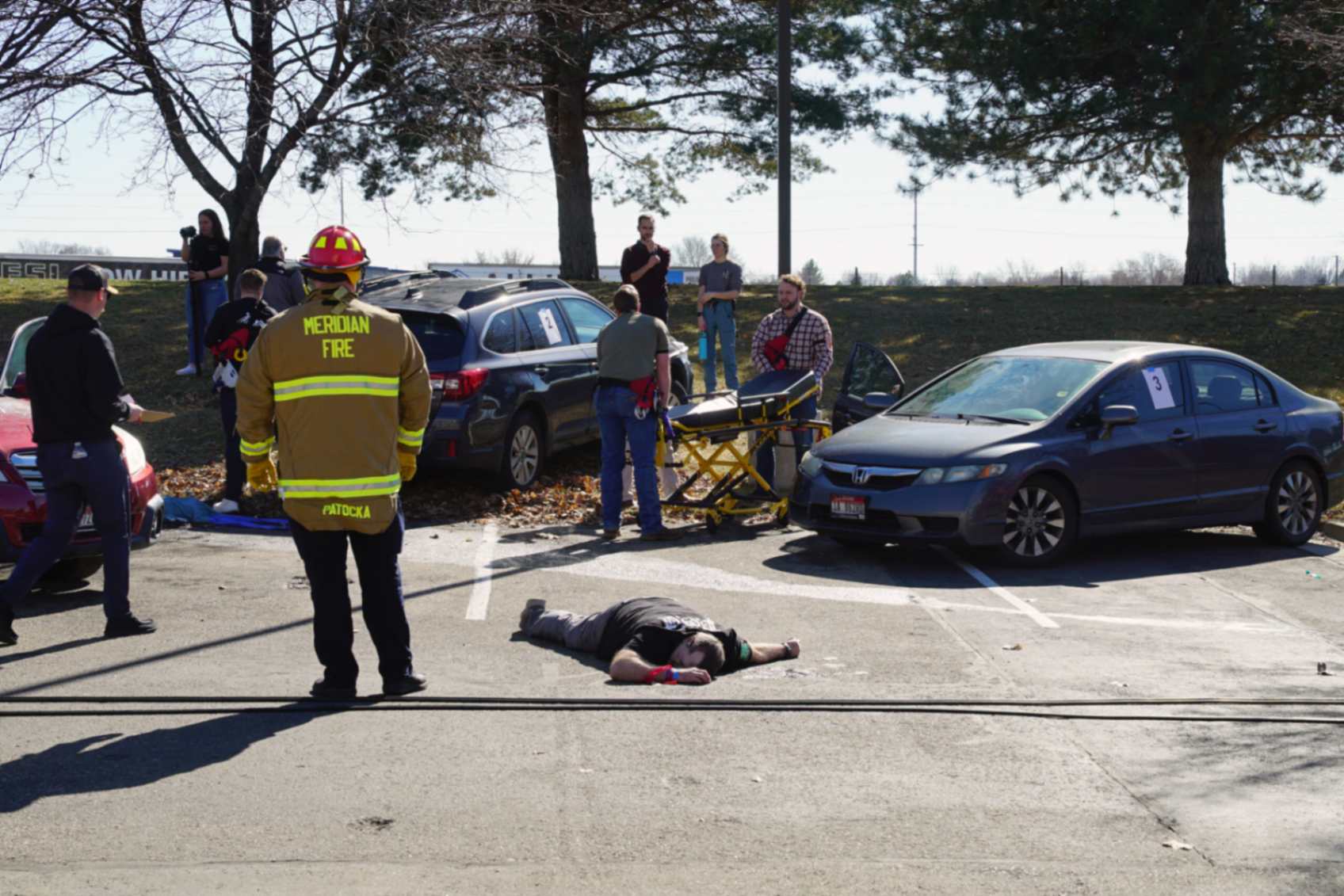
In the large-scale scenario, multidisciplinary teams of responders worked together to triage, treat and determine transport priority of the simulated patients across a sprawling, campus-wide, incident scene.
“Our scenario today is a multi-vehicle accident. There are a lot of moving parts,” said Mary Smith-Pendleton, a third-year ICOM student and President of the Emergency Medicine Club. “We’re hoping this experience gives participants an opportunity to see how they would react in a high-stress situation and gives them tools to be prepared.”
Training events such as this one are vital to the education of health professionals and community members alike. An evolving national climate demands a team of healthcare professionals be uniquely prepared for challenges such as mass shootings, extreme weather phenomena, and emergent pathogens, to name a few. These trends place added emphasis on the importance of improving physician preparedness for mass casualty incidents.
“MCI training and preparedness is not part of the standard curriculum in medical schools. This really is extra curricular,” said Dr. Richard Macdonald, Assistant Professor of Emergency Medicine at ICOM. “This event gives our students increased confidence and a sense of enthusiasm that they are on their way to becoming medical professionals and physicians who can actually take care of patients, fix serious problems, and save lives.”
ICOM’s simulated, full-scale, mass casualty incident (MCI) training exercise brought together the College’s student doctors, clinical faculty and support staff; students from the Idaho Medical Academy and Meridian Medical Arts Charter High School; personnel from the Meridian Fire Department; Valley Regional Transit; and cosmetology students from Paul Mitchell the School’s Boise and Nampa locations.