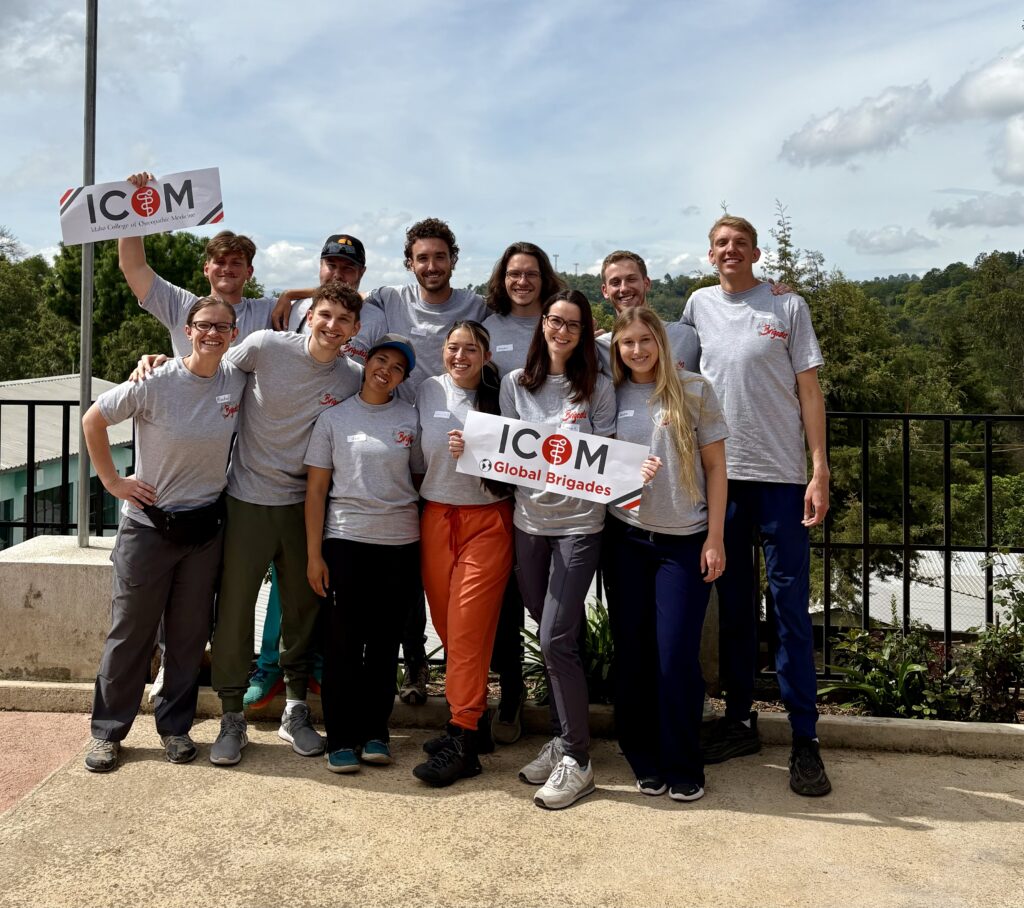
A group of compassionate and driven medical students recently returned from a life-changing mission trip to Guatemala, where they spent a week providing care and support to an underserved community.
The team, which included 12 first- and second-year students from the Idaho College of Osteopathic Medicine, partnered with Global Brigades to offer basic medical services, assist with health screenings, and help distribute medications in rural villages with limited access to healthcare. The students were placed in Sacala, a small, rural community of 2,000 individuals located outside the city of Chimaltenango.
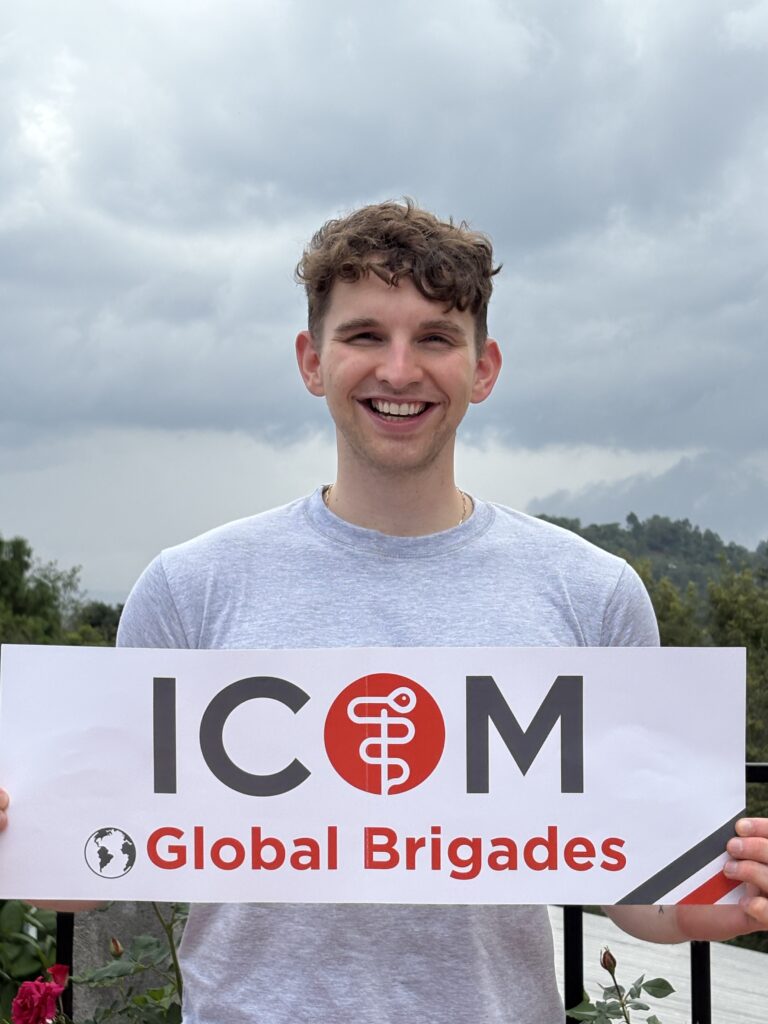
“The most rewarding part of participating in mission trips is seeing the profound impact our limited resources can have on a community in need,” said Student Doctor Eric Hanzel, an incoming third-year student at ICOM. “In regions where the nearest hospital is nearly two hours away by car and basic necessities like purified water and food are a challenge to afford, people often have to forgo medical and dental visits to prioritize their families’ immediate needs. While we couldn’t address all these barriers, the clinical care we provided met a significant need, and the community was incredibly receptive.”
For many of the students, the experience marked their first time participating in global health outreach. Under the guidance of licensed physicians, they gained hands-on clinical experience — taking patient histories, performing physical exams, and learning to navigate the challenges of delivering care across cultural and language barriers. The group’s patient population was composed of members of rural Guatemalan communities, ranging in age from 4 months to 88 years.
The trip wasn’t just about clinical work — it was also a chance to connect deeply with the local community. The students participated in educational activities promoting hygiene, nutrition, and chronic disease prevention, and they spent time learning about Guatemalan history, culture, and traditions. During the six-day trip, students completed three 8-hour clinical days, one community research day, and one cultural day to learn about Guatemala.
“These trips are not easy. They push us out of our comfort zones — into unfamiliar languages, cultures, and healthcare systems,” Student Doctor Hanzel said. “But that discomfort is exactly what prepares us to handle the unpredictability and emotional challenges we’ll face in our medical careers. Having now served on two brigades, I’ve built both clinical confidence and strong relationships that have deeply shaped the kind of physician I am becoming. These experiences don’t just teach us medicine; they teach us humanity.”