A third-year student at the Idaho College of Osteopathic Medicine is helping create a clearer pathway for medical students interested in serving as dermatologists in the U.S. military.
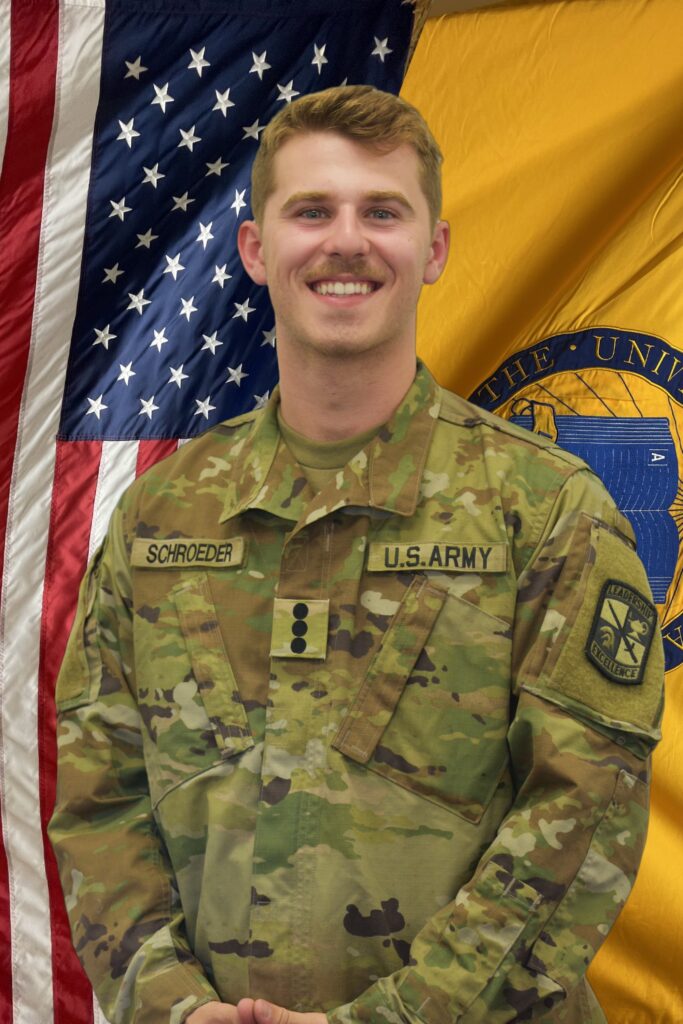
Student Physician Quinn Schroeder recently led the creation of the National Military Dermatology Interest Group, an initiative designed to connect and support medical students navigating the military dermatology residency application process.
Working closely with program directors from military dermatology residency programs and leadership within the Association of Military Dermatology, Schroeder coordinated the development of new national resources aimed at simplifying what has historically been a complex and often unclear application pathway.
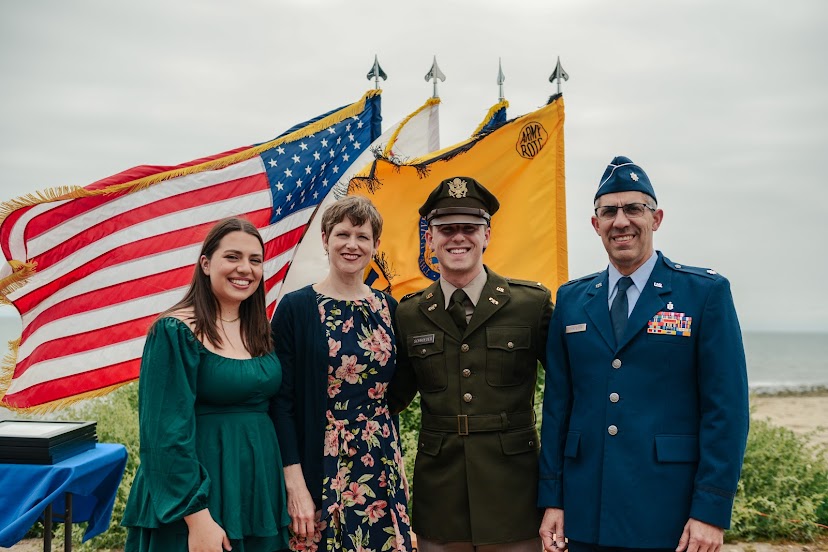
“I’ve always said that whatever path I take, I want to make it easier for the people who come after me,” said Student Physician Schroeder. “As a Reserve Officers’ Training Corps (ROTC) graduate who transitioned directly into the Health Professions Scholarship Program (HPSP), I experienced firsthand how complex the military medical pathway can be.”
As part of the initiative, Schroeder developed a dedicated medical student section on the Association of Military Dermatology website, providing guidance on the application process, mentorship opportunities, and connections to military dermatology programs.
“Each branch of service approaches dermatology training differently, the pathway can be difficult for students to navigate—especially for those without mentors familiar with the military match process,” Schroeder said.
The effort has also drawn support from the American Academy of Dermatology and the National Dermatology Interest Group Association. Both organizations have launched dedicated sections on their websites using program director-approved information to ensure students have access to consistent, accurate guidance when exploring careers in military dermatology.

“After attending the American Academy of Dermatology (AAD) meeting and trying to better understand the process myself as an HPSP osteopathic medical student, I realized there was a real need for clear, centralized guidance and mentorship,” said Student Physician Schroeder. “Creating these resources was about helping ensure that future students interested in military dermatology have better access to information, mentorship, and support than I initially did.”
Together, these new resources improve transparency and accessibility for students nationwide while helping build a stronger pipeline of future military dermatologists. The initiative represents a significant step forward in supporting the next generation of physicians interested in combining dermatology with military service.